Patient Education
Retinoblastoma
A parent's guide to the most common eye cancer in children, including early warning signs, diagnosis, modern treatment options, and why prompt evaluation is essential.
About Retinoblastoma
Early detection can save
lives and vision.
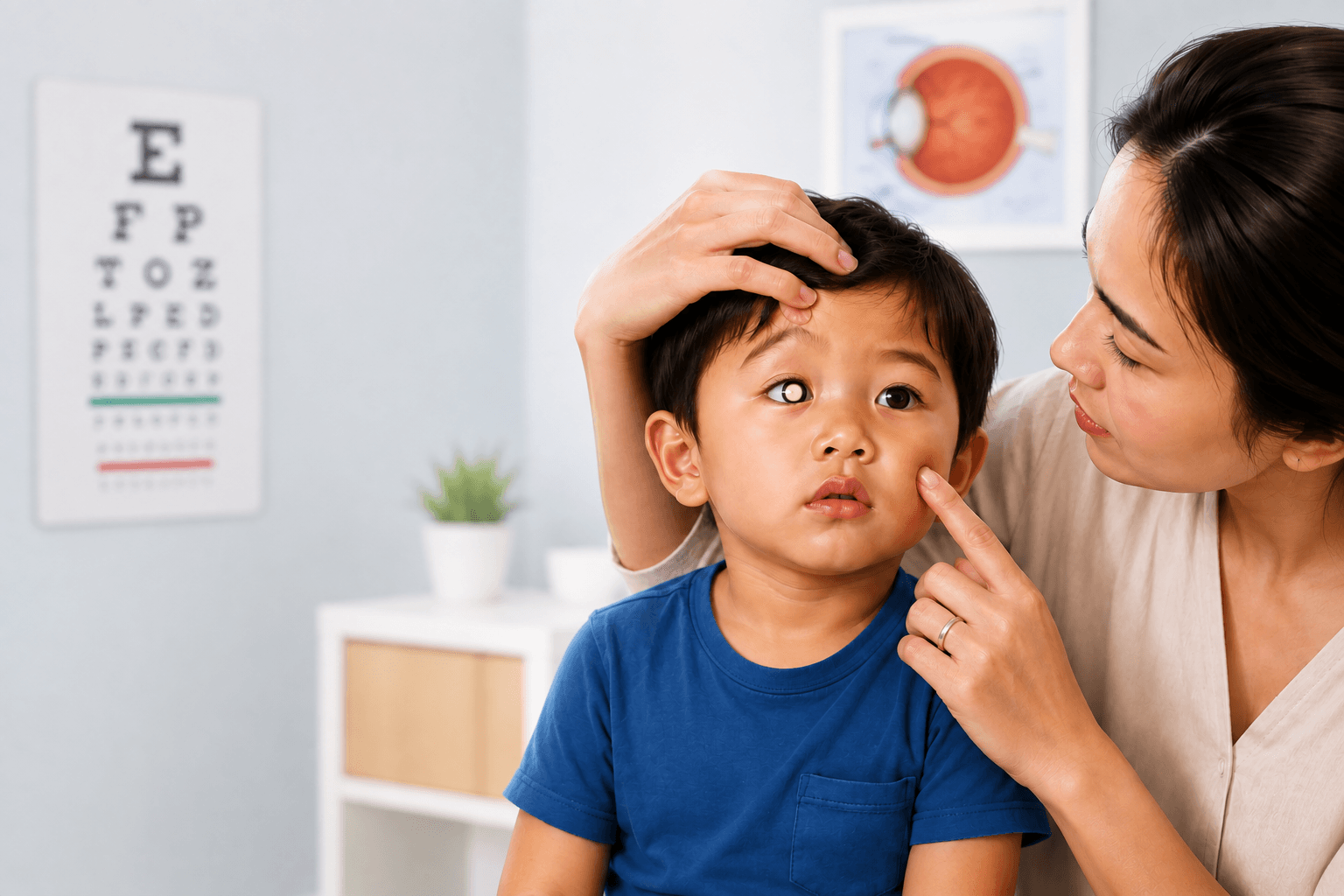
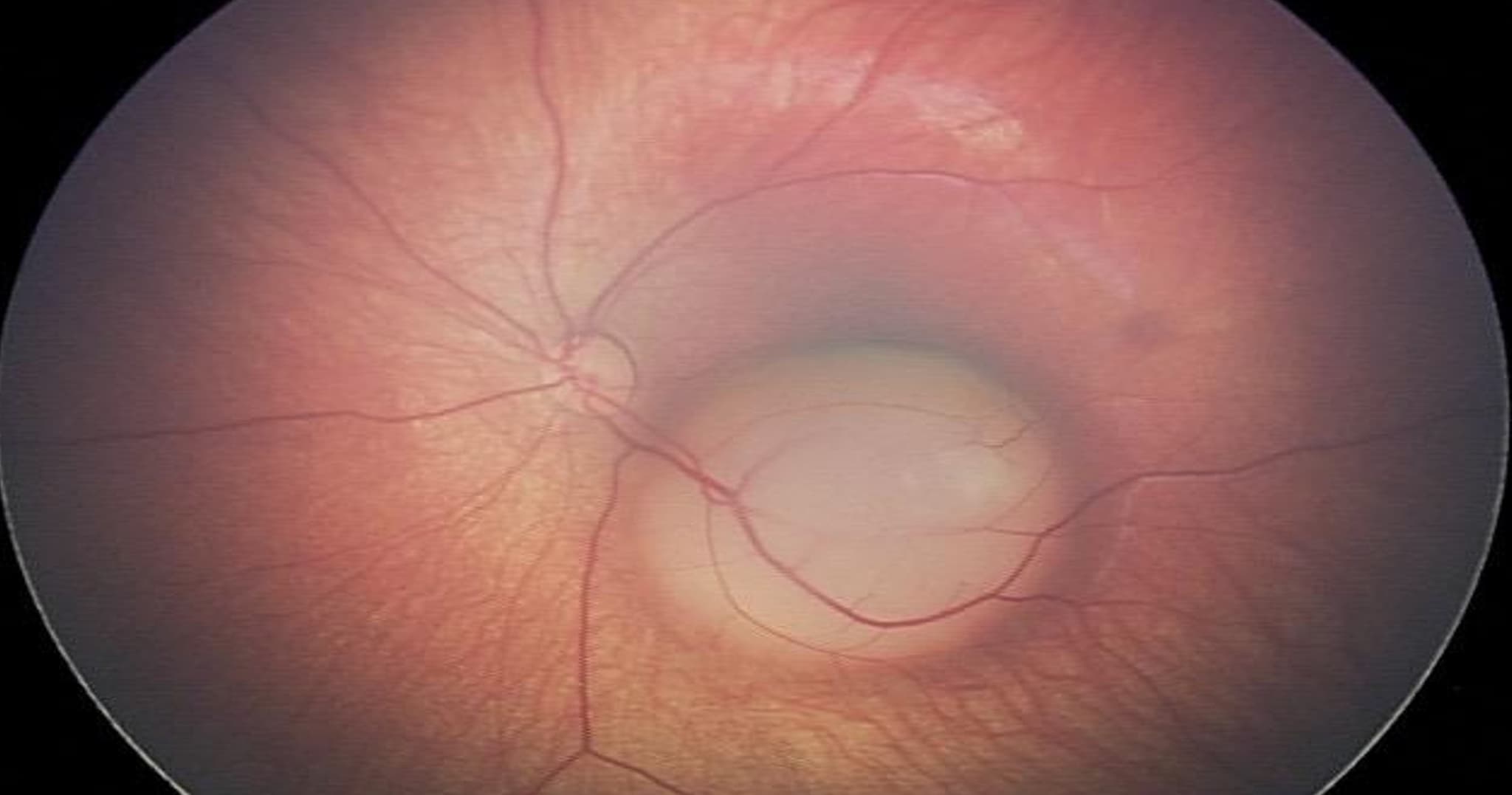
Retinoblastoma is a rare type of eye cancer that starts in the retina, the light-sensitive layer at the back of the eye that allows us to see. It is the most common eye cancer in young children and is usually diagnosed before 5 years of age.
Hearing that your child may have retinoblastoma can be overwhelming, but there is good news. Thanks to advances in diagnosis and treatment, most children can be successfully treated. When the disease is found early, treatment can often save not only a child's life, but also the eye and useful vision.
Key Facts
- • Most children are diagnosed before 5 years of age.
- • Retinoblastoma may affect one eye or both eyes.
- • Early diagnosis gives the best chance of saving the eye and preserving vision.
- • Some children inherit a gene change (RB1) that increases their risk of developing retinoblastoma.
Warning Signs
Know the signs.
Trust your instincts.
Many children with retinoblastoma appear healthy. Recognizing these early warning signs can lead to earlier diagnosis and improve the chances of successful treatment.

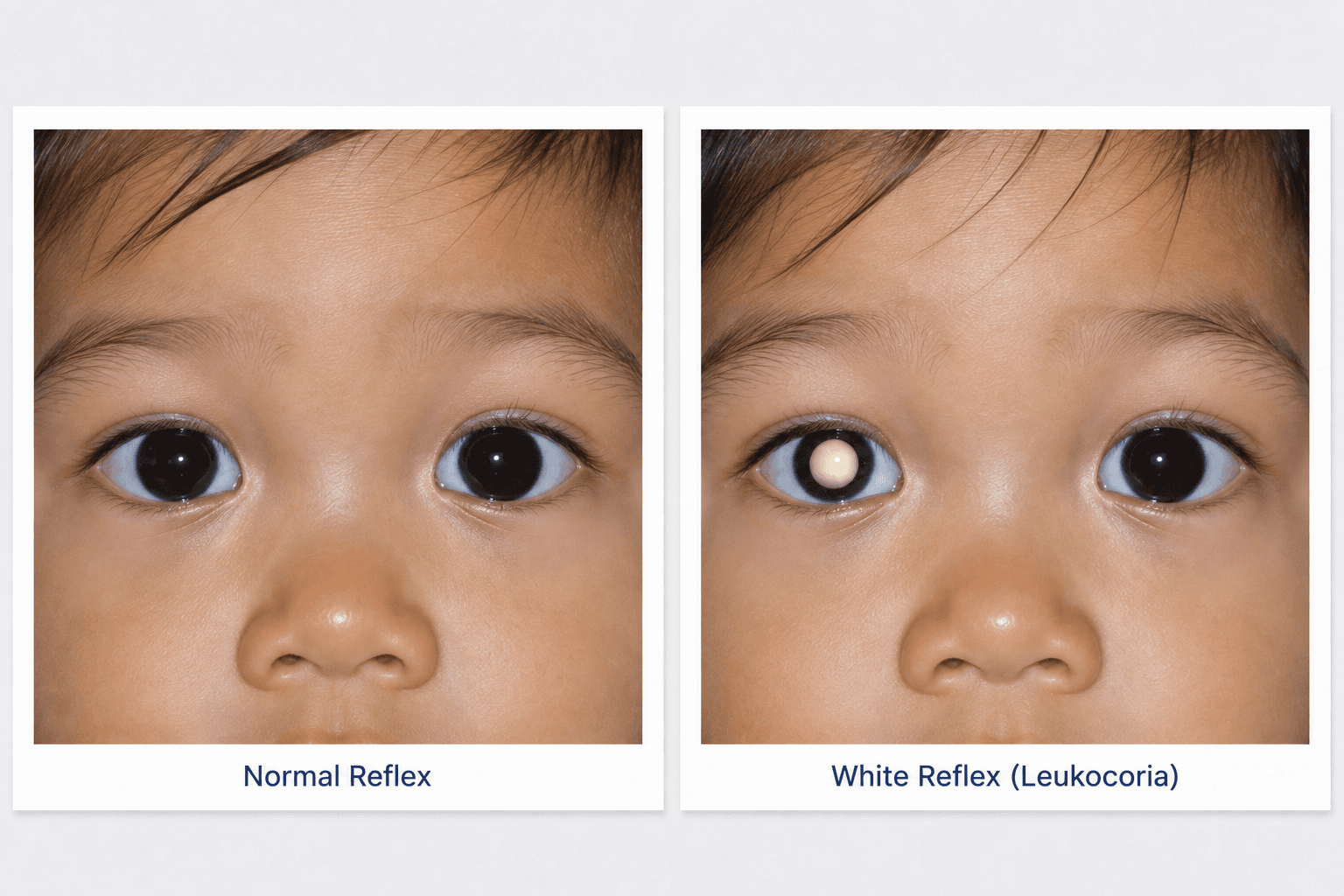
White Pupil (Leukocoria)
A white or yellow reflection in your child's pupil, especially in flash photographs. This is the most common warning sign of retinoblastoma.
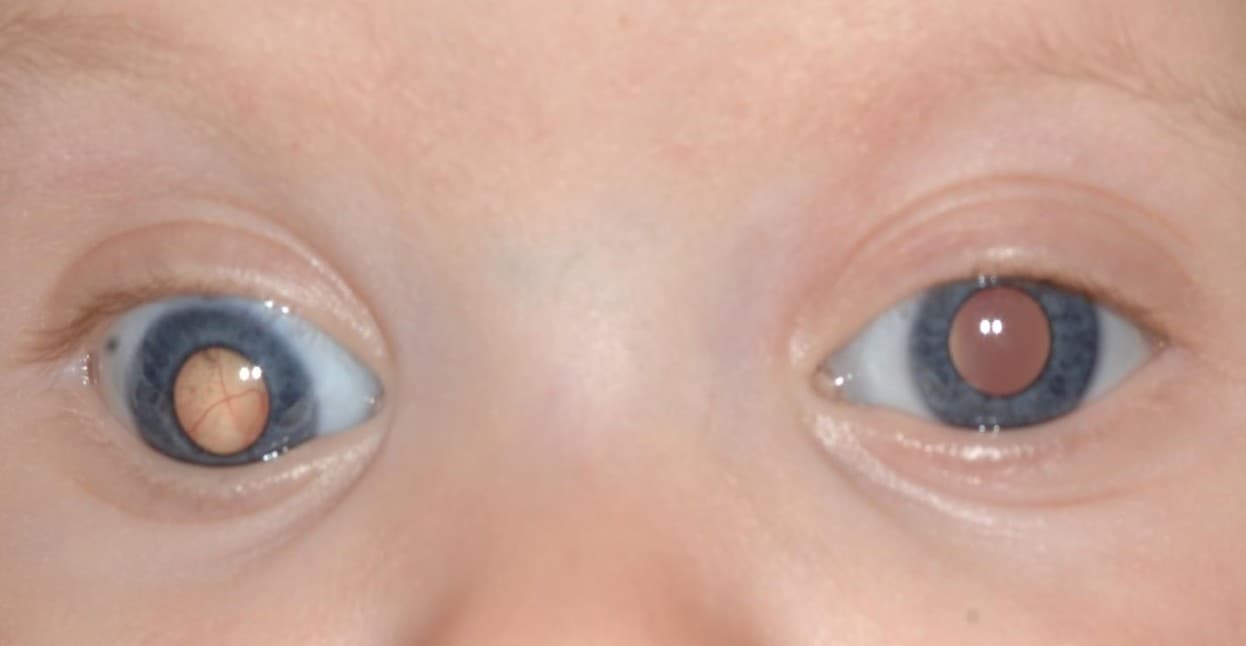
Different Colored Pupils in Photos
In flash photographs, one eye may appear red while the other looks white or reflects light differently. If this happens repeatedly, your child should be examined by an ophthalmologist.
Crossed Eyes (Strabismus)
One eye may turn inward or outward because the affected eye is not seeing normally. This can sometimes be the first sign of retinoblastoma.
Poor Vision
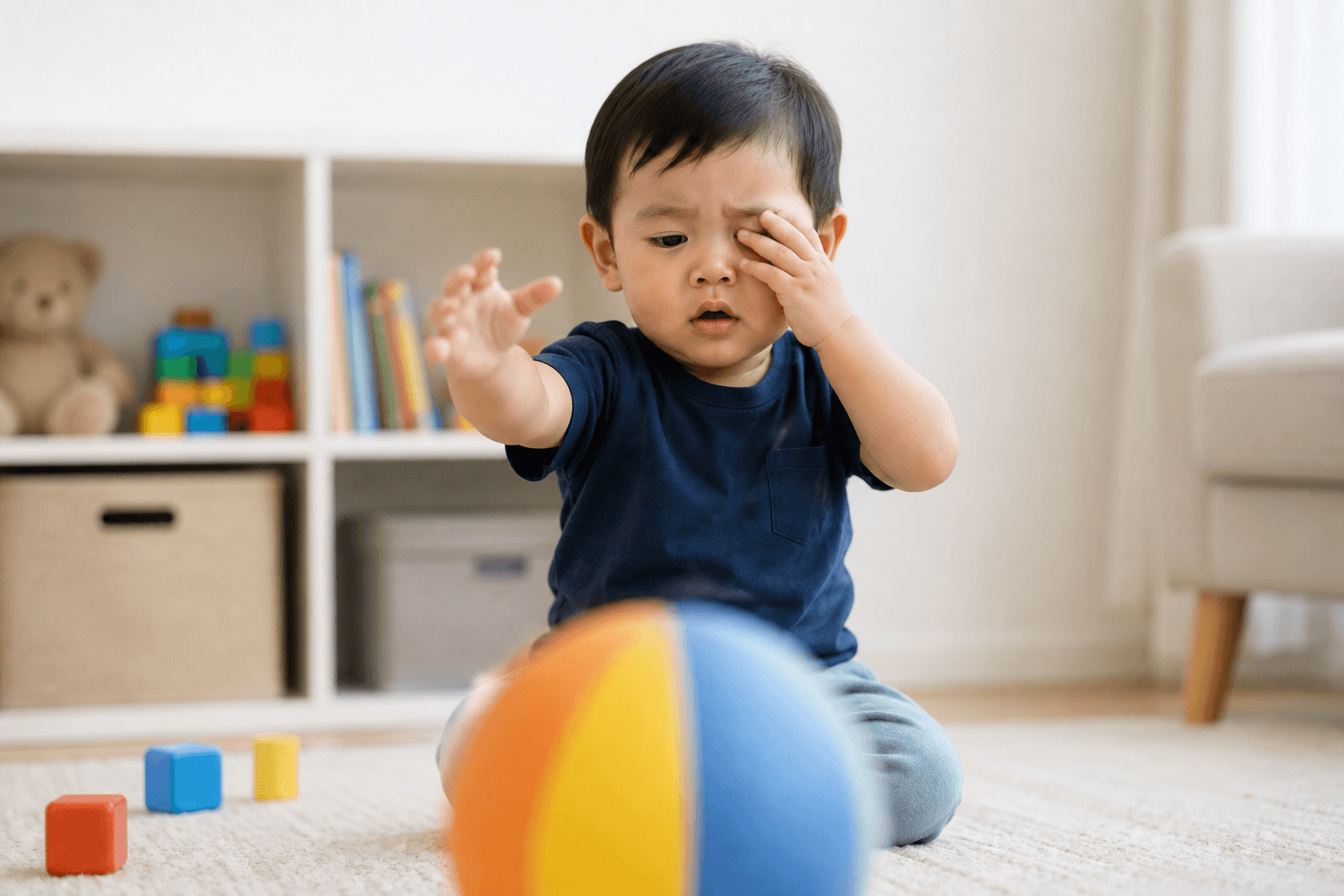
Young children may not be able to tell you they cannot see well. They may bump into objects, have difficulty following toys, or seem to rely on one eye more than the other.
When should I see an eye doctor?
If you notice a white pupil, crossed eyes, or a repeated difference in your child's pupils in flash photographs, schedule an eye examination as soon as possible. These findings do not always mean your child has retinoblastoma, but they should always be evaluated promptly by an ophthalmologist.
When to Seek Evaluation
Don't wait if something
doesn't seem right.
Most children with a white pupil or crossed eyes do not have retinoblastoma. However, these signs should always be evaluated promptly by an ophthalmologist. Early diagnosis gives your child the best chance of successful treatment and may help preserve both the eye and vision.
Arrange an Eye Examination
Schedule an appointment as soon as possible if you notice a white pupil, crossed eyes, or other persistent changes in your child's eyes.
Early Evaluation Matters
Even a delay of a few weeks can be important. Early diagnosis allows more treatment options and improves the chances of saving vision.
Most Children Do Well
Modern treatments have dramatically improved outcomes. Most children diagnosed today can be successfully treated, especially when the disease is detected early.
A white pupil in a child should never be ignored.
While there are several possible causes, it is important to have your child examined promptly so that serious conditions such as retinoblastoma can be diagnosed or ruled out as early as possible.
Diagnosis
How is retinoblastoma
diagnosed?
If retinoblastoma is suspected, several tests may be needed to confirm the diagnosis and determine the best treatment. These tests help your child's eye care team understand the size, location, and extent of the tumor.
Dilated Eye Examination
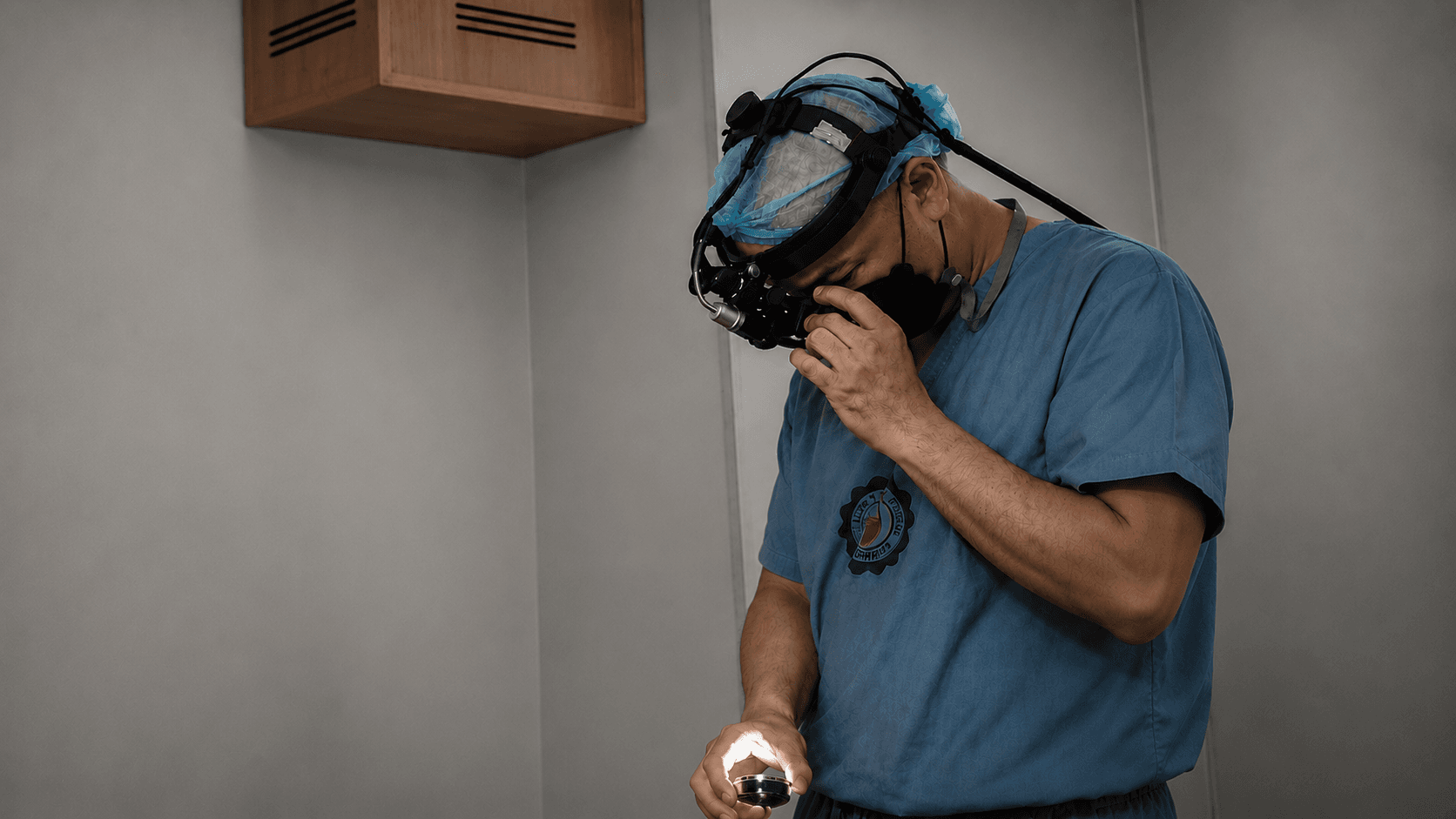
Your child's pupils are dilated with eye drops so the retina can be carefully examined. This is the most important step in making the diagnosis.
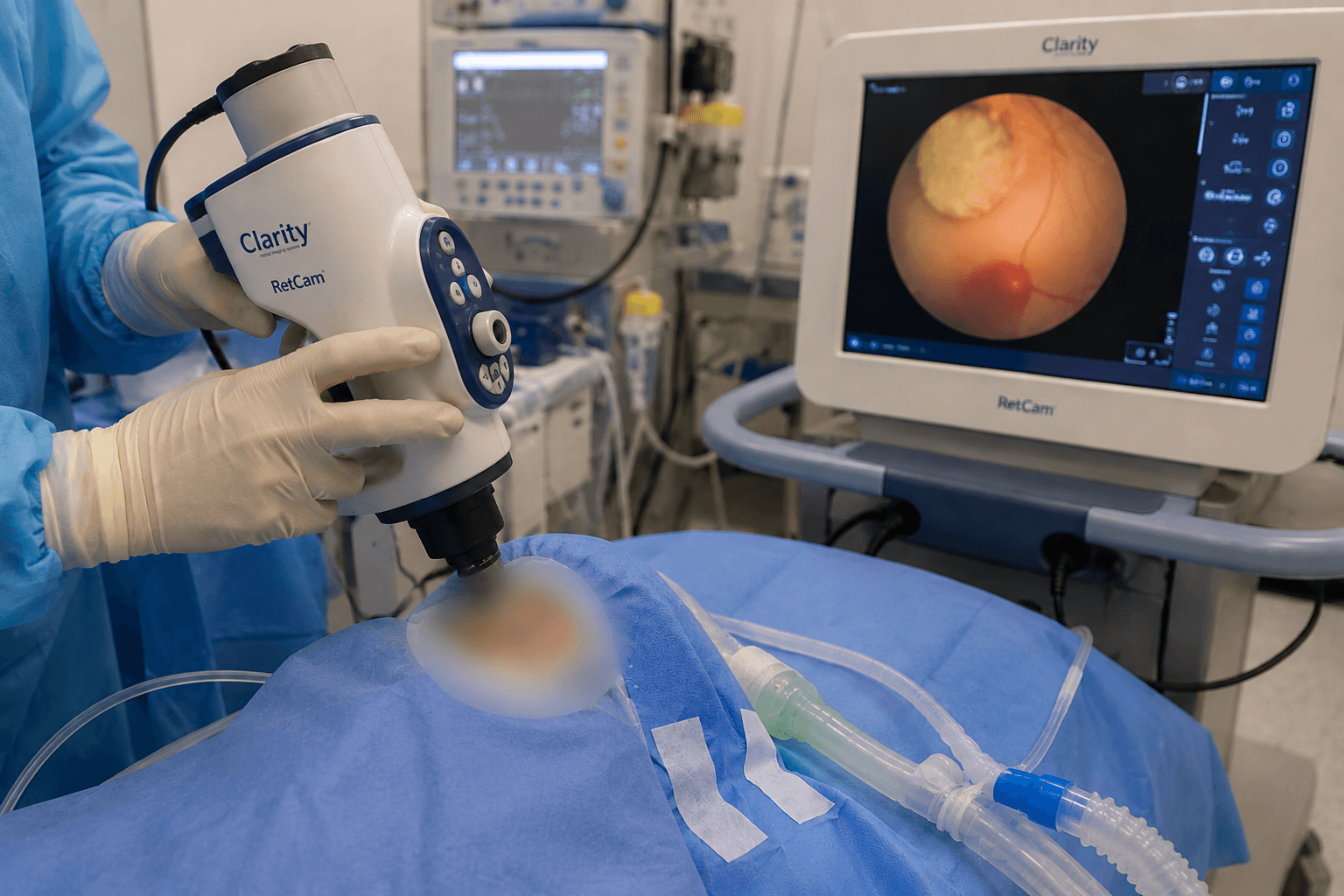
Examination Under Anesthesia (EUA)
Young children often need to be asleep during the examination so the ophthalmologist can carefully evaluate both eyes and plan treatment safely.
Ultrasound
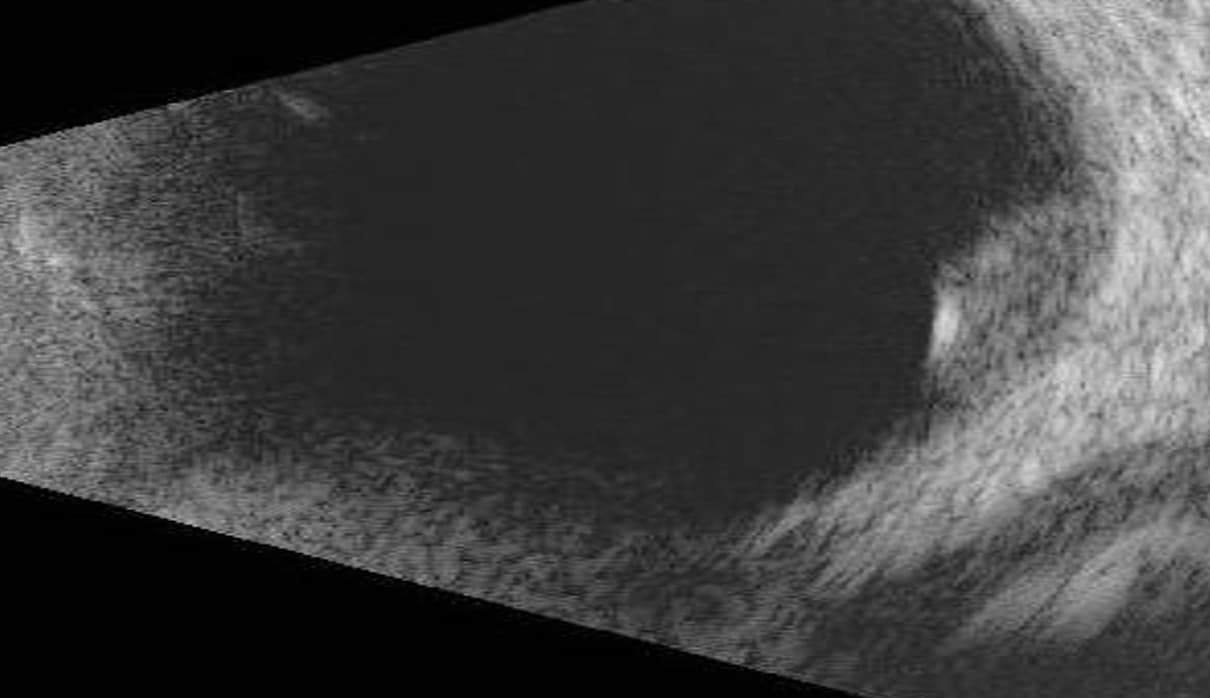
An ultrasound uses sound waves to create pictures of the inside of the eye. It helps confirm the diagnosis and can detect calcium within the tumor.
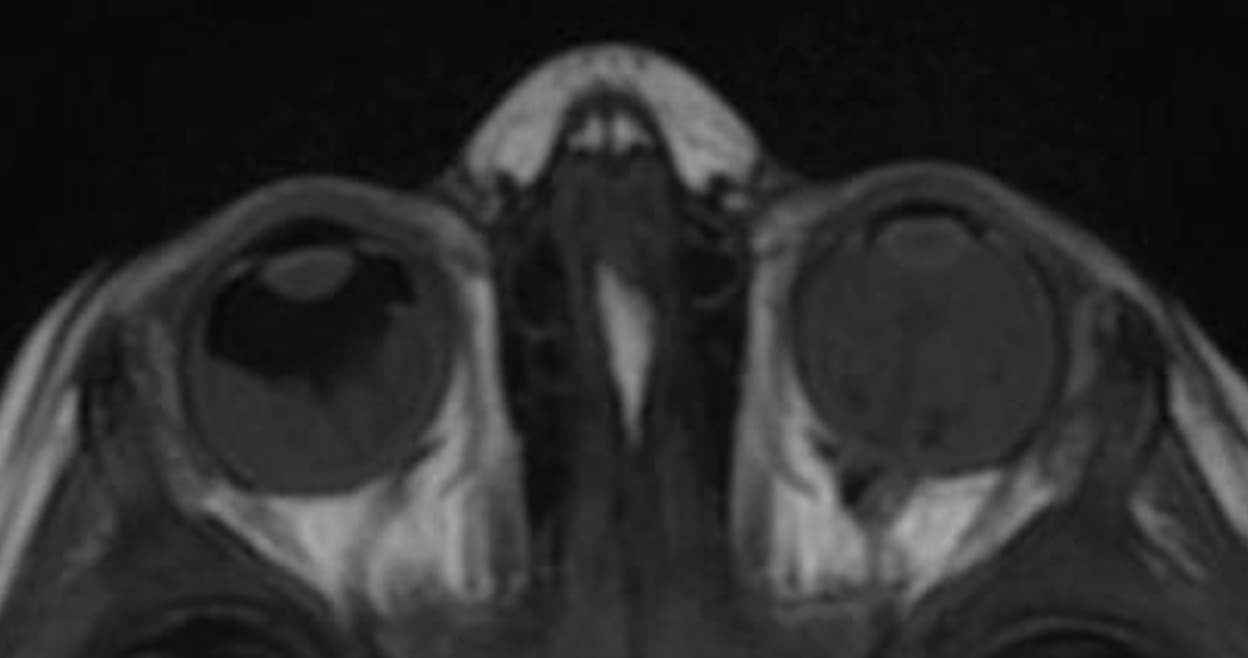
MRI Scan
An MRI provides detailed images of the eye and surrounding structures. It helps determine whether the tumor has spread beyond the eye without exposing your child to radiation.
Will my child need a biopsy?
In most cases, a biopsy is not performed for retinoblastoma. Experienced ophthalmologists can usually make the diagnosis based on the eye examination and imaging tests. Avoiding a biopsy helps reduce the risk of spreading tumor cells outside the eye.
Treatment
Every child deserves
the best chance.
Treatment is tailored to each child based on the size and location of the tumor, whether one or both eyes are affected, and the goal of preserving life, the eye, and vision whenever possible.
A Philippine Milestone
First Intra-Arterial Chemotherapy
for Retinoblastoma
in the Philippines
Our multidisciplinary team at St. Luke's Medical Center performed the first intra-arterial chemotherapy (IAC) for retinoblastoma in the Philippines. This landmark procedure introduced an advanced, eye-preserving treatment option for selected children with retinoblastoma and helped pave the way for modern retinoblastoma care in the country.
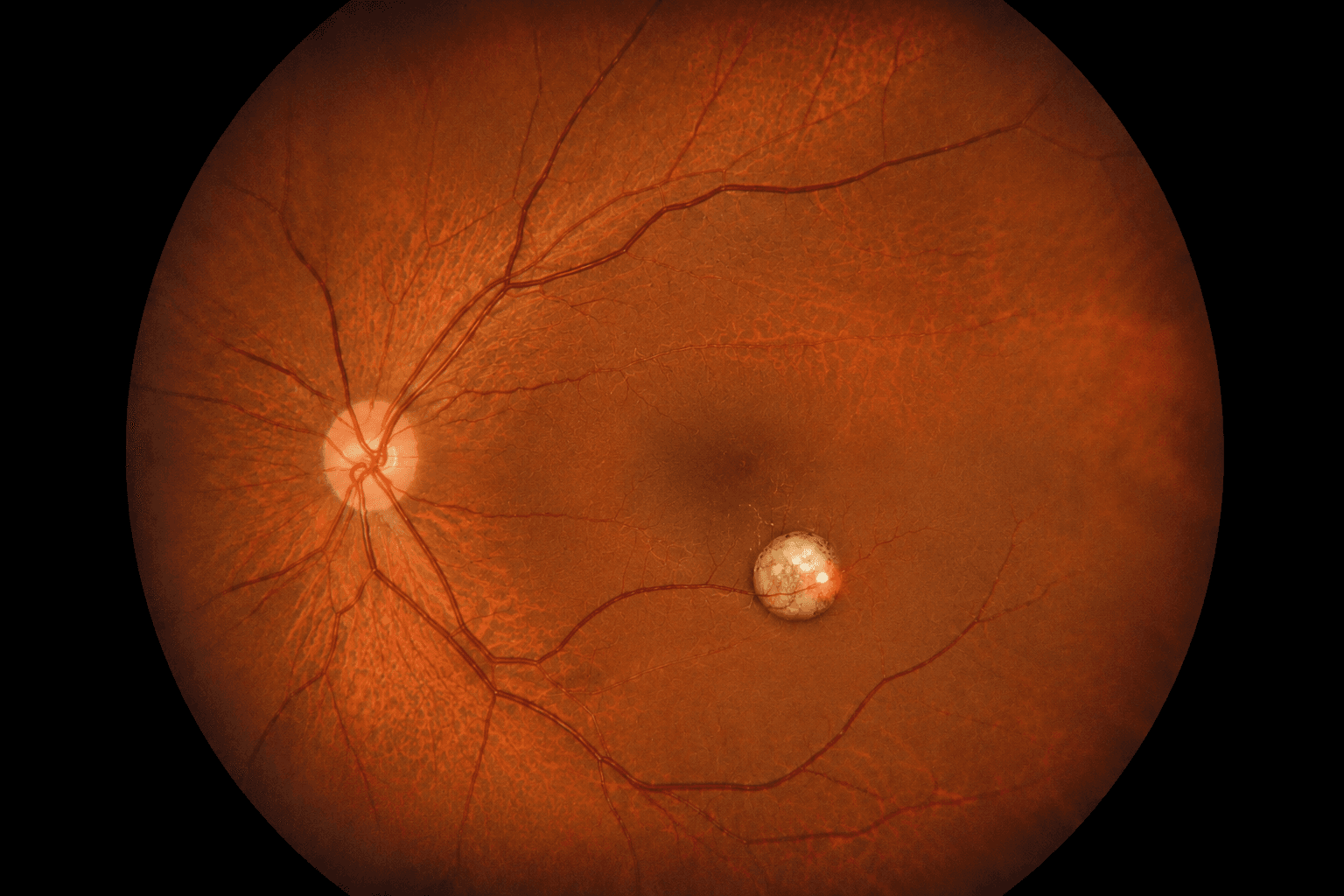
Laser therapy is often used for small tumors. A highly focused laser destroys cancer cells while preserving as much healthy retina as possible.
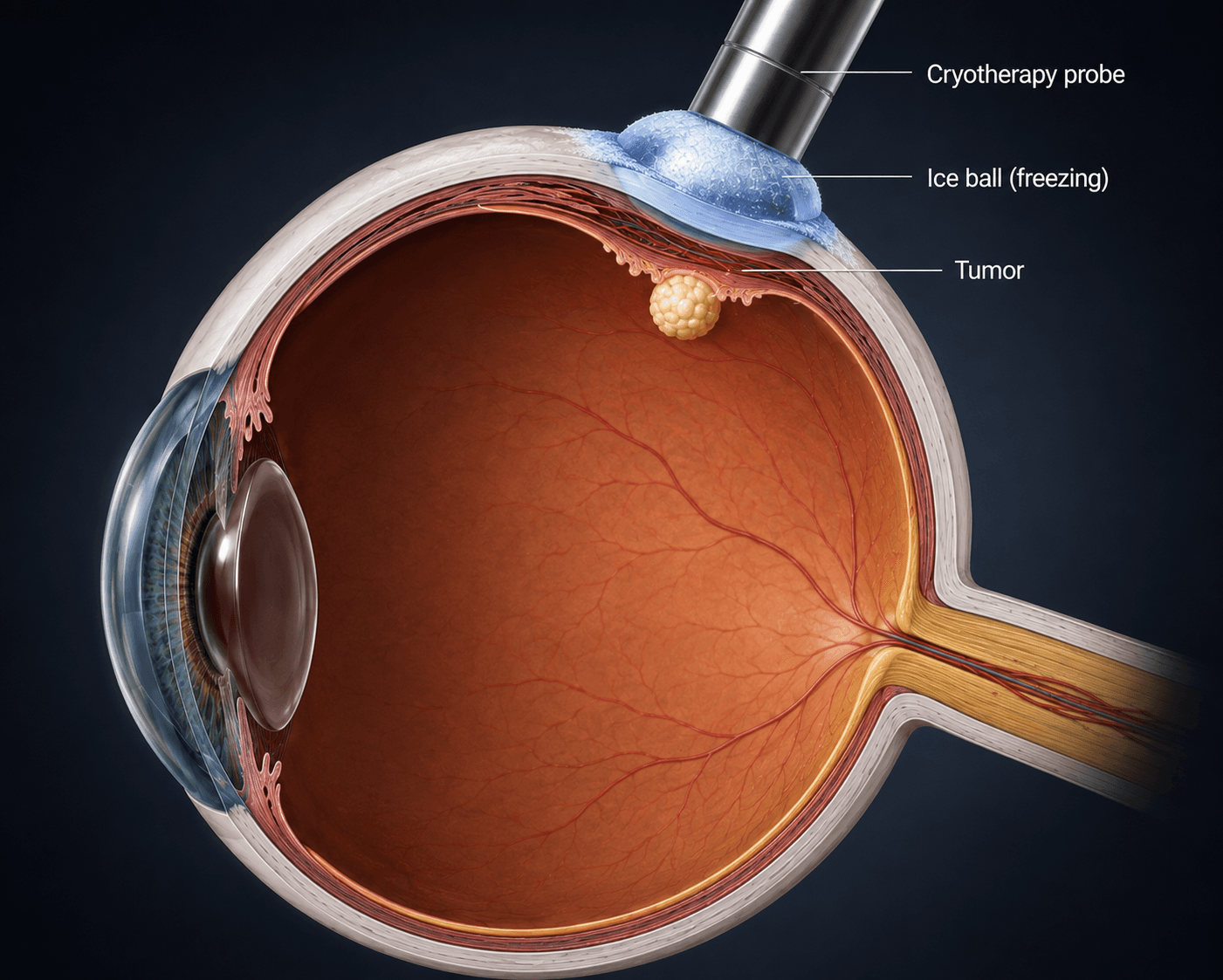
Cryotherapy treats selected tumors by carefully freezing the abnormal tissue. It is commonly used for smaller tumors near the outer retina.
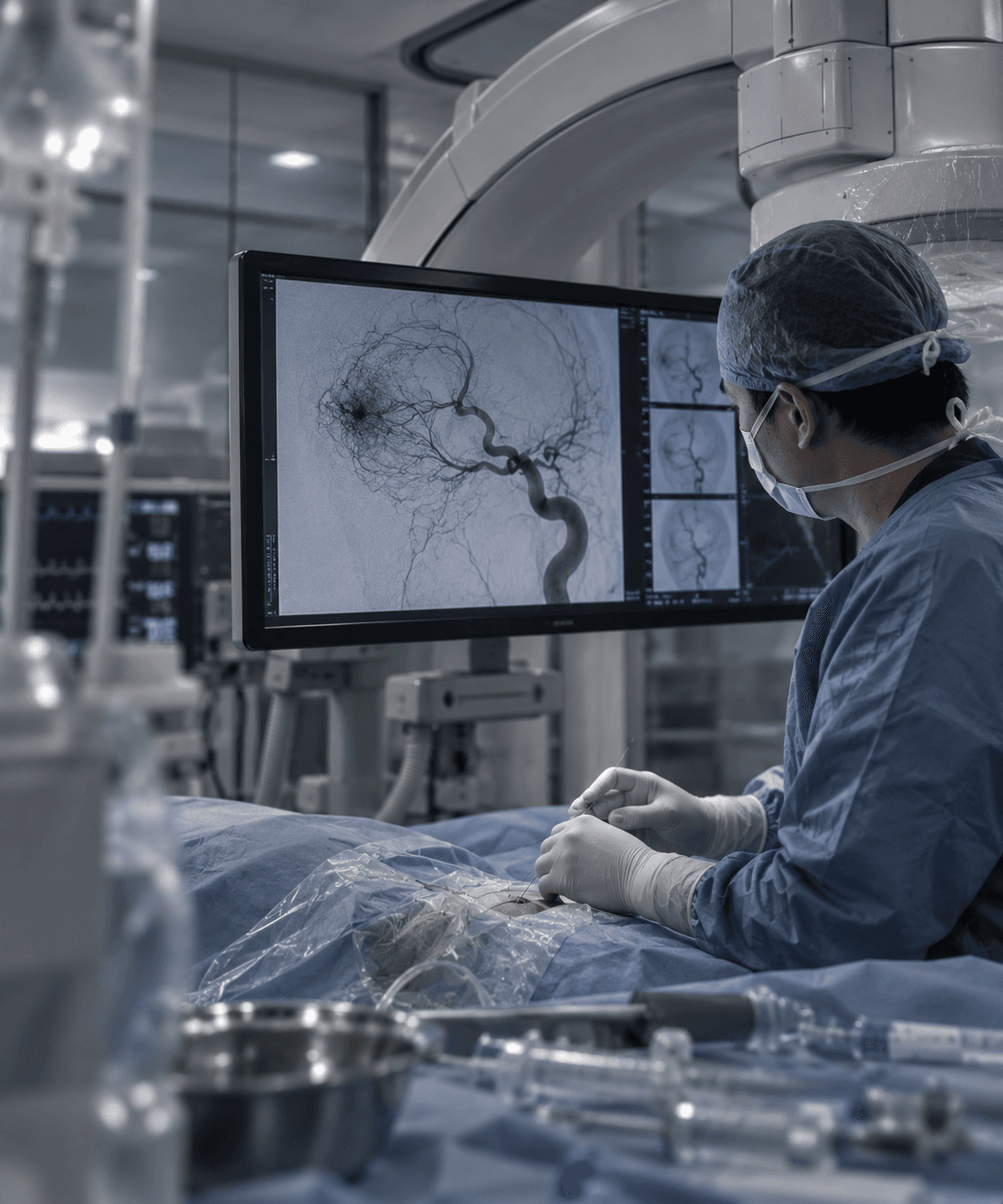
Chemotherapy is delivered directly into the artery supplying the eye. This allows high concentrations of medicine to reach the tumor while limiting exposure to the rest of the body.
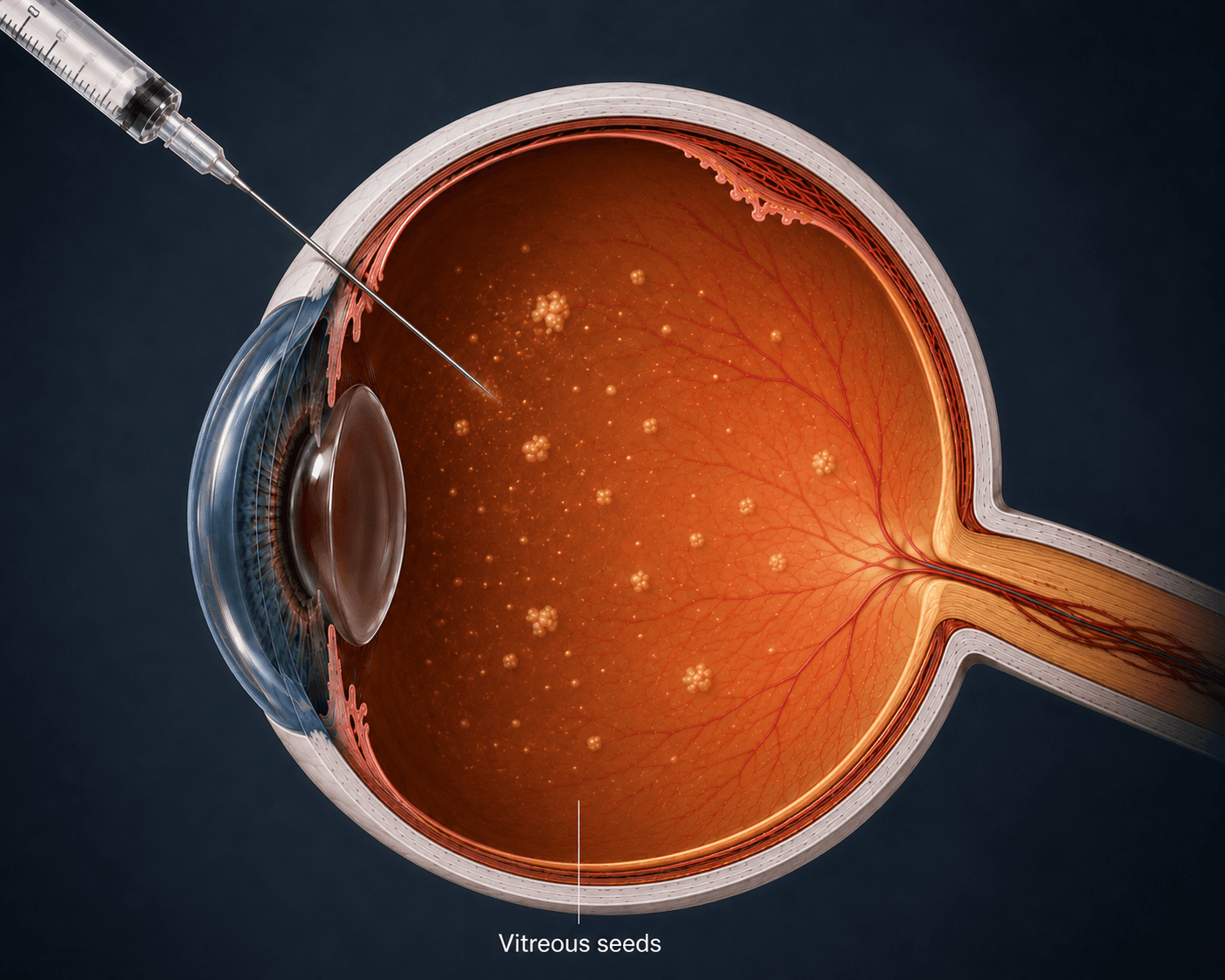
For tumors that have released cancer cells into the gel inside the eye (vitreous seeds), chemotherapy can be injected directly into the eye under carefully controlled conditions.
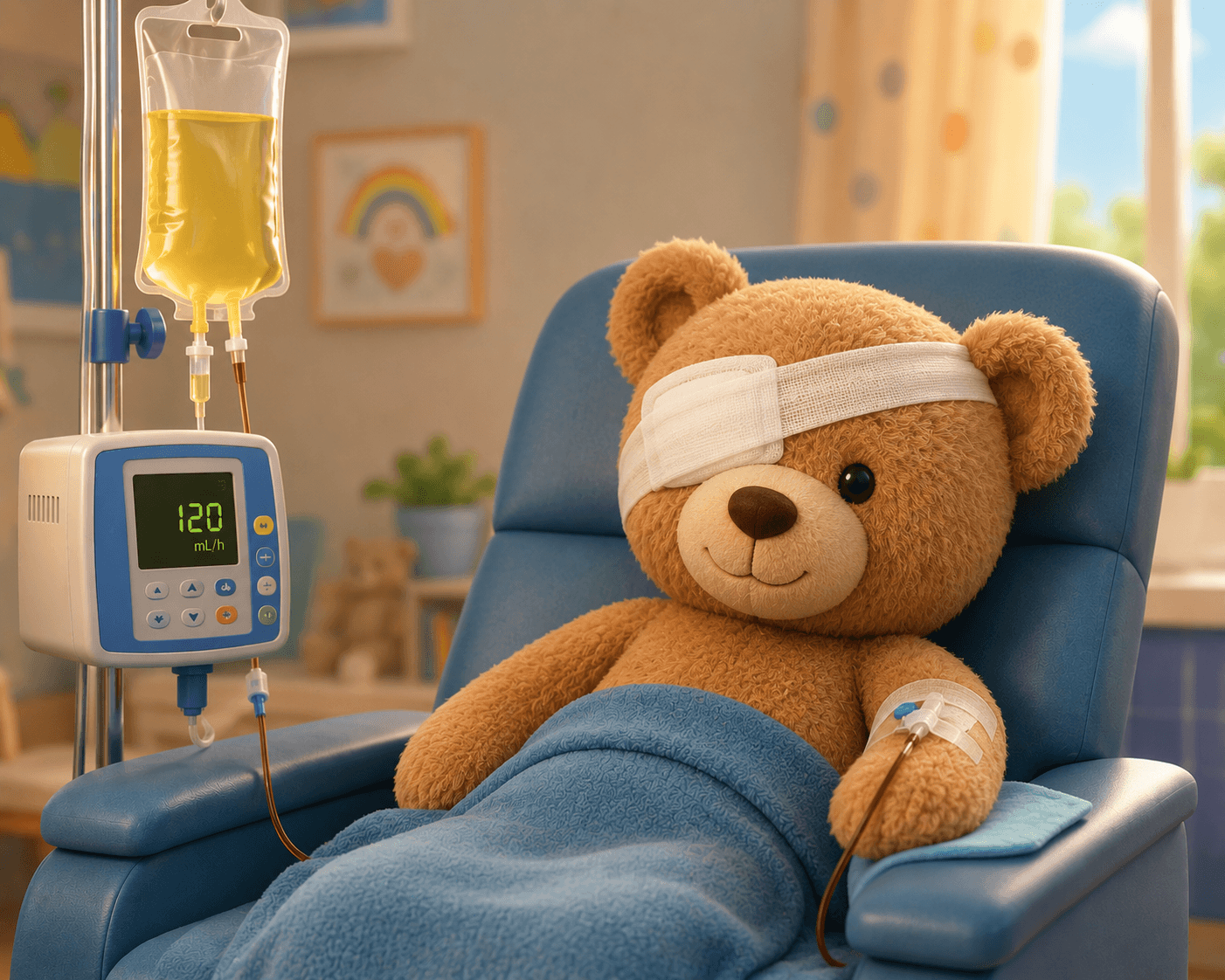
Chemotherapy given through a vein may still be recommended in selected situations, particularly for children with tumors in both eyes or when additional treatment is needed.
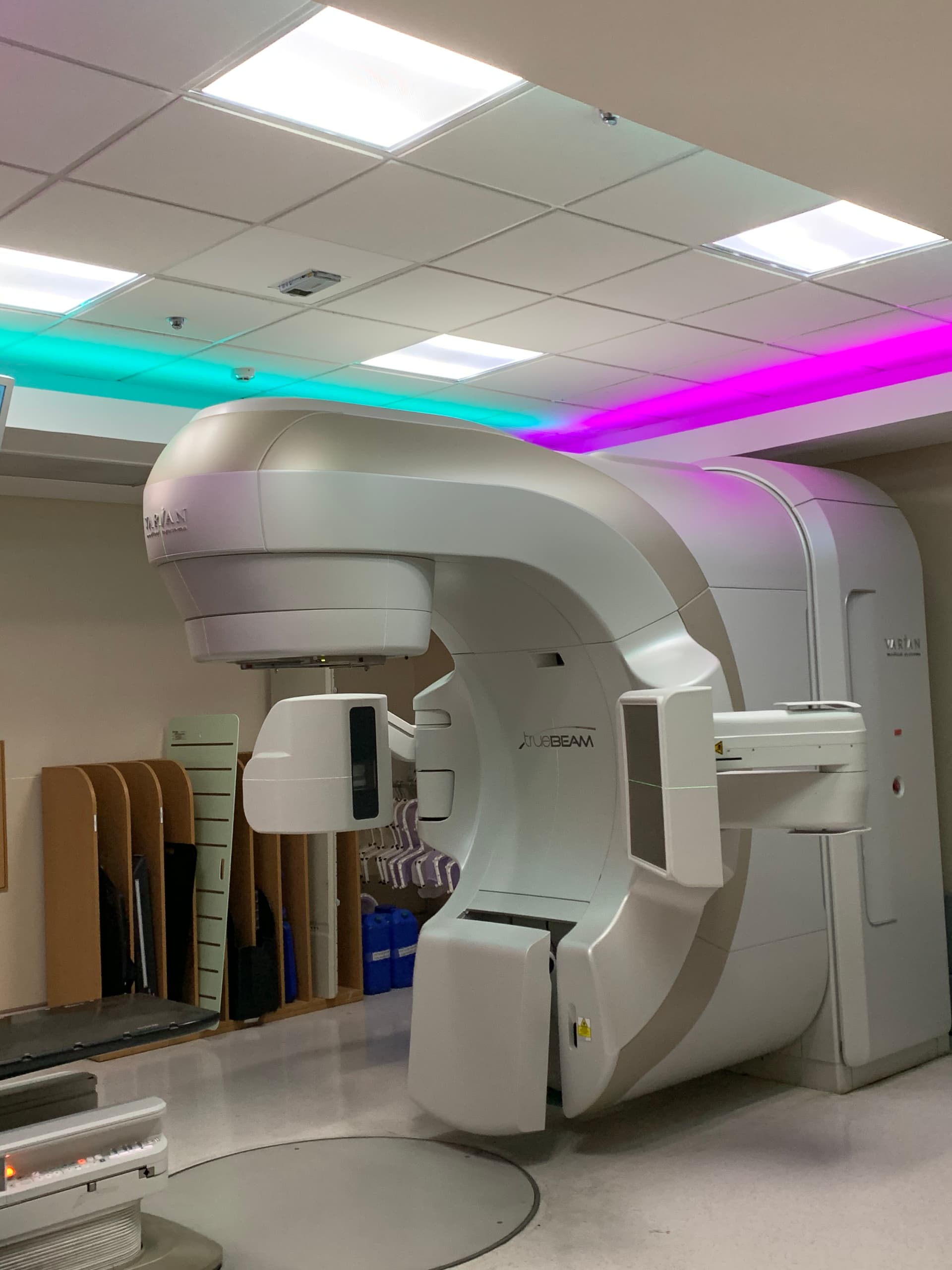
Radiation therapy is used less often today because of advances in chemotherapy, but it may still be appropriate in selected cases.
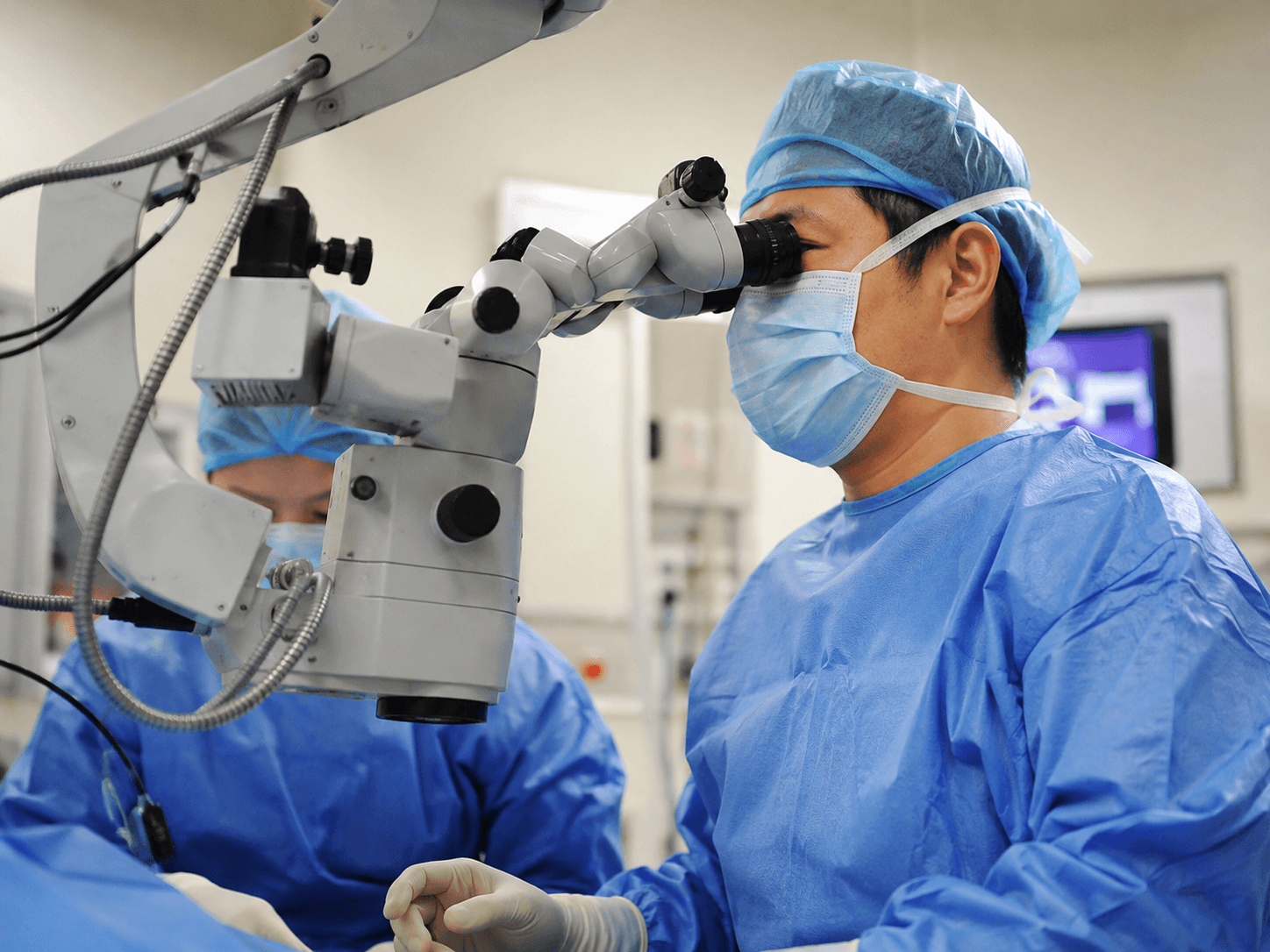
If the tumor is too advanced to safely preserve the eye, removing the eye may offer the best chance of curing the cancer and protecting your child's life.
Treatment Goals
Save Life
The first priority is always to completely eliminate the cancer and protect your child's life.
Save the Eye
Whenever it is safe, modern treatments aim to preserve the eye while successfully controlling the tumor.
Preserve Vision
The final goal is to preserve as much useful vision as possible for your child's future.
Vision
Can my child
still see?
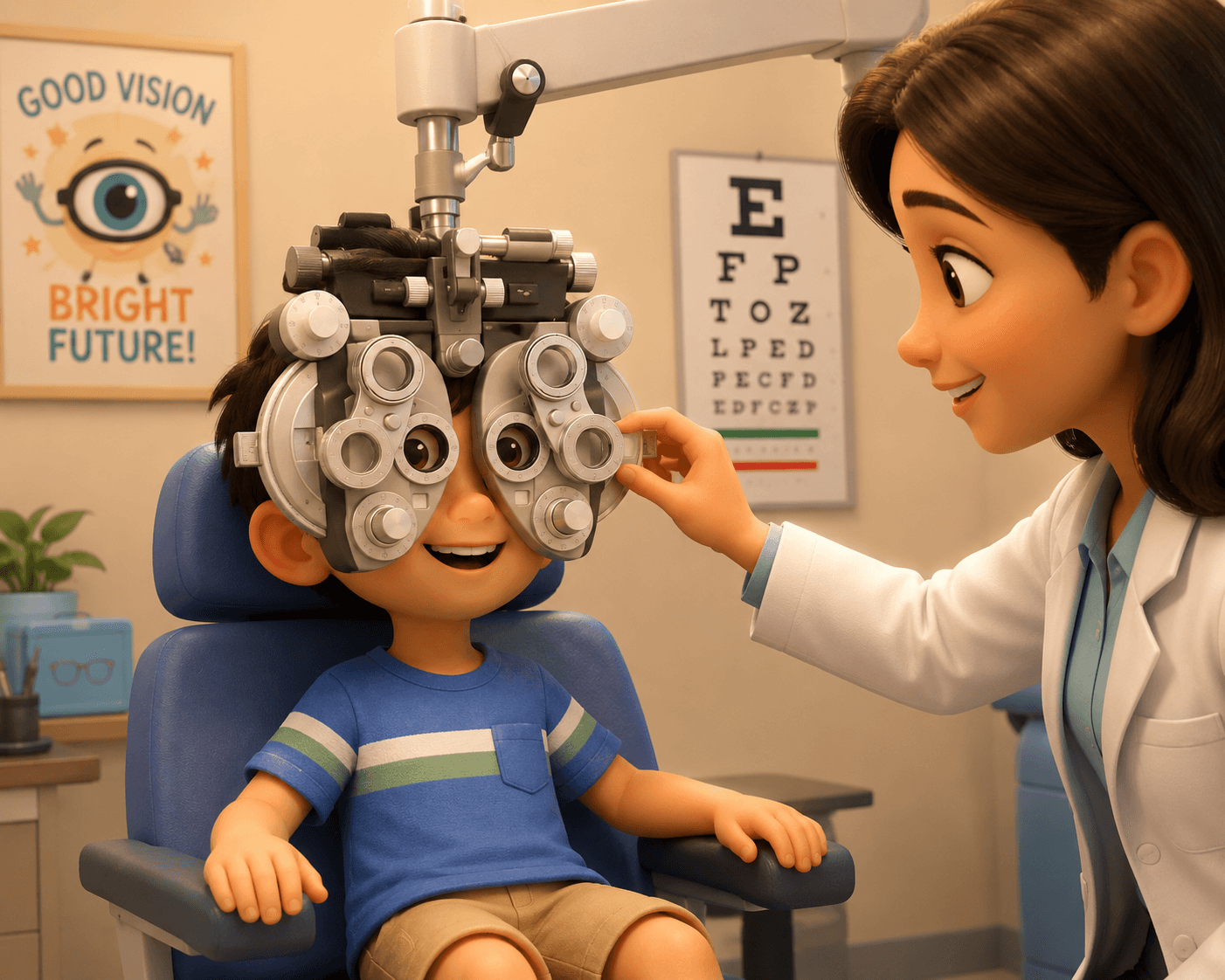
This is one of the first questions every parent asks. The answer depends on several factors, including the size and location of the tumor, whether one or both eyes are affected, and how early the cancer is diagnosed.
Thanks to advances in treatment, many children are able to keep useful vision in one or both eyes. Even when vision cannot be fully preserved, children often adapt remarkably well and continue to lead active, healthy lives.
Early treatment improves outcomes
Diagnosing retinoblastoma early provides the best chance of preserving useful vision.
Every child is unique
Your child's ophthalmologist will explain the expected visual outcome based on the individual characteristics of the tumor.
Lifelong follow-up is important
Regular eye examinations help monitor vision, detect any recurrence, and support healthy visual development as your child grows.
Genetics
Could my other
children have it?
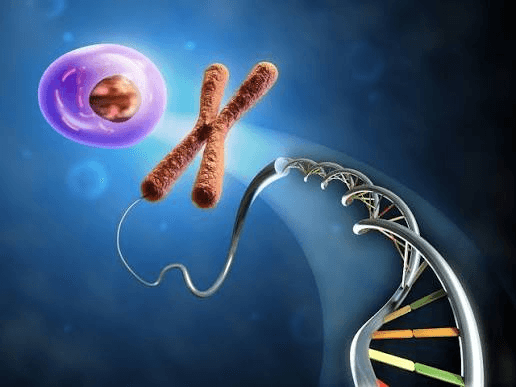
Some children develop retinoblastoma because of a change in a gene called RB1. This change may be inherited from a parent or may happen for the first time in the child.
If a child has a hereditary form of retinoblastoma, brothers, sisters, and future children may also be at increased risk. Genetic testing can help determine whether other family members should be examined.
Important to Remember
- • Not every child with retinoblastoma has an inherited gene change.
- • Children with tumors in both eyes are more likely to have a hereditary form.
- • Genetic counseling may be recommended for your family.
- • Early eye examinations are important for brothers, sisters, and future children if an inherited RB1 mutation is found.
Frequently Asked Questions
Answers to common
questions from parents.
Every child's situation is unique, but these are some of the questions families ask most often after a diagnosis of retinoblastoma.
Yes. When diagnosed early, retinoblastoma is highly treatable. Modern treatments allow most children to be successfully treated, and many are able to keep useful vision in one or both eyes.
Many children can keep their eye with today's treatments. Whether this is possible depends on the size and location of the tumor and whether vision can be safely preserved. In advanced cases, removing the eye may be the safest option to cure the cancer.
If left untreated, retinoblastoma can spread outside the eye and become life-threatening. This is why prompt diagnosis and treatment are so important. Early treatment greatly reduces this risk.
Some children do, while others may be treated with laser therapy, cryotherapy, or other techniques. Your child's treatment plan depends on the size, location, and extent of the tumor.
Vision depends on where the tumor is located and how early treatment begins. Many children retain useful vision, especially when the disease is diagnosed before the tumor affects the central retina.
Yes. Some children may develop new tumors or experience recurrence after treatment. Regular follow-up examinations are essential, especially during the first few years after diagnosis.
Some cases are hereditary because of a change in the RB1 gene, while others occur without a family history. Genetic testing can help determine whether other family members may also be at risk.
If an inherited RB1 gene change is present, brothers, sisters, and future children may also be at risk. Your doctor may recommend genetic counseling and screening examinations for family members.
Request an Appointment
Concerned about your
child's eyes?
If you've noticed a white pupil, crossed eyes, or any other concerning changes, early evaluation is important. Request an appointment to have your child examined.