Eye Health
Retina
Your retina helps you see the world around you. Learn about common problems that can affect it, what symptoms to look out for, and how they can be treated.
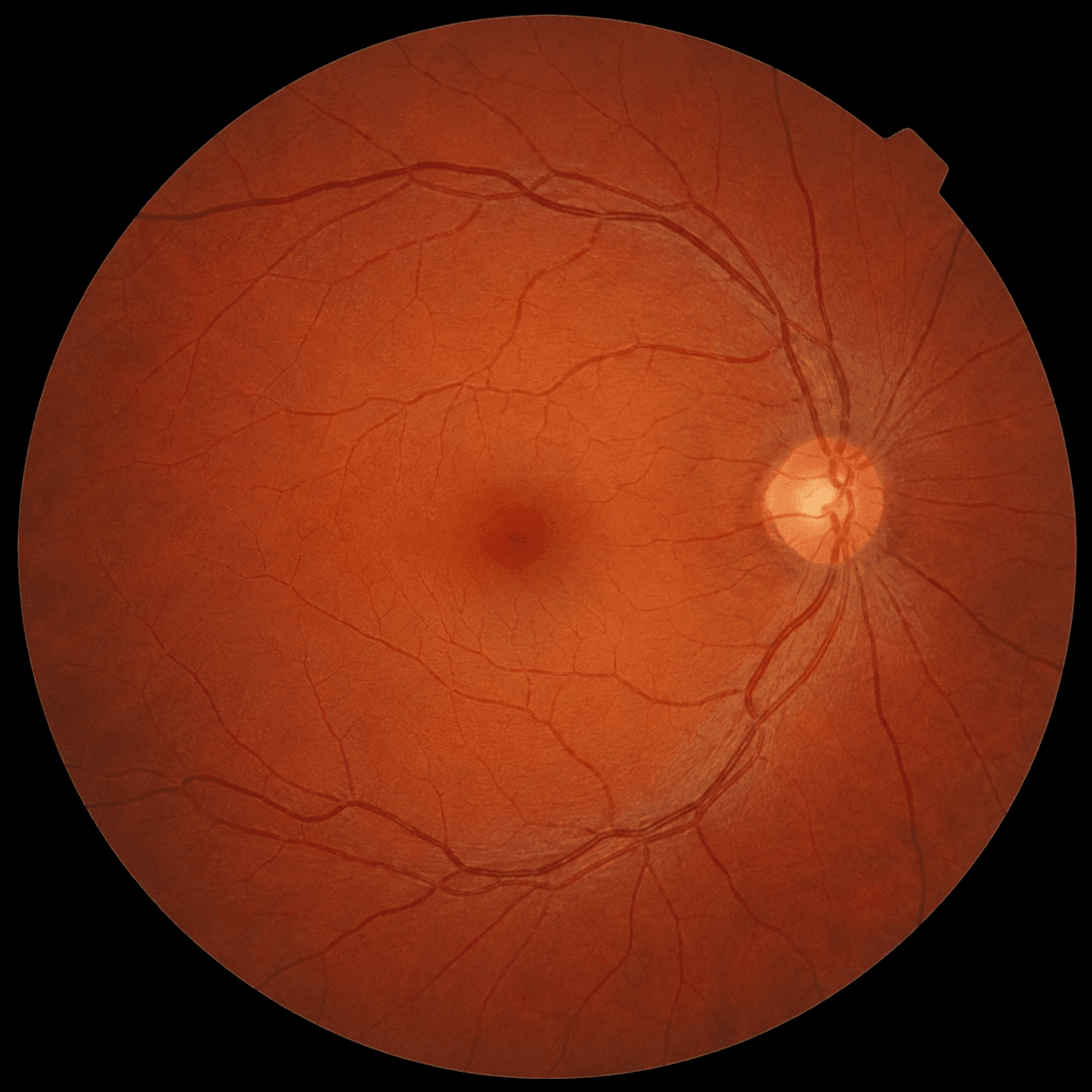
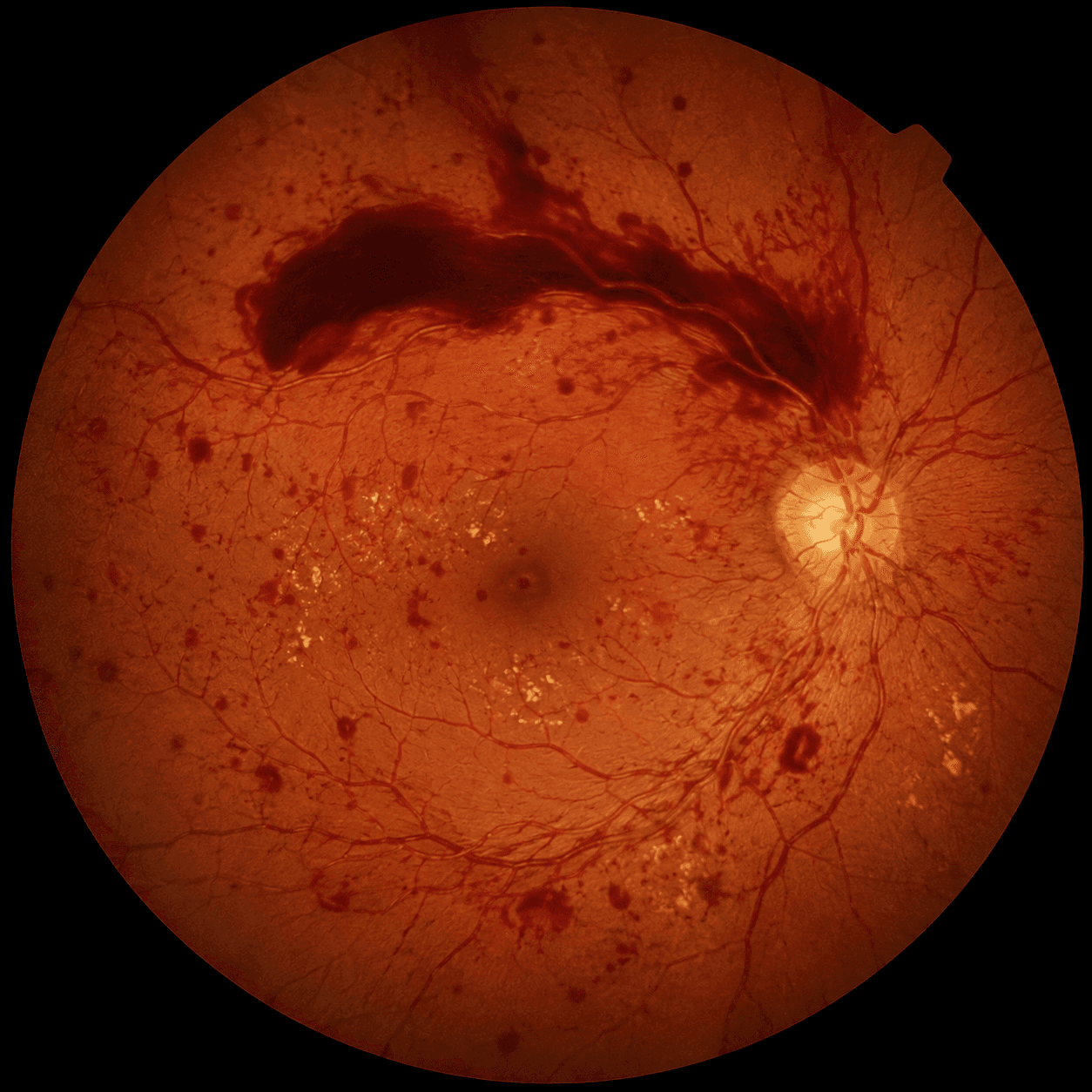
01 · Diabetic Retinopathy
When diabetes affects your eyes
Diabetes can damage the tiny blood vessels in the retina, the light-sensitive layer at the back of your eye.
In the early stages, you may not notice any changes in your vision. As the condition progresses, it can cause swelling, bleeding, or abnormal blood vessels that can affect your sight.
What might you notice?
- • Blurry or changing vision
- • Dark spots or floaters
- • Difficulty seeing at night
- • Sometimes, no symptoms at all
Can it be treated?
Yes. Treatment depends on how advanced the disease is. It may include medicines injected into the eye, laser treatment, or surgery.
Keeping your blood sugar, blood pressure, and cholesterol under control is also important.
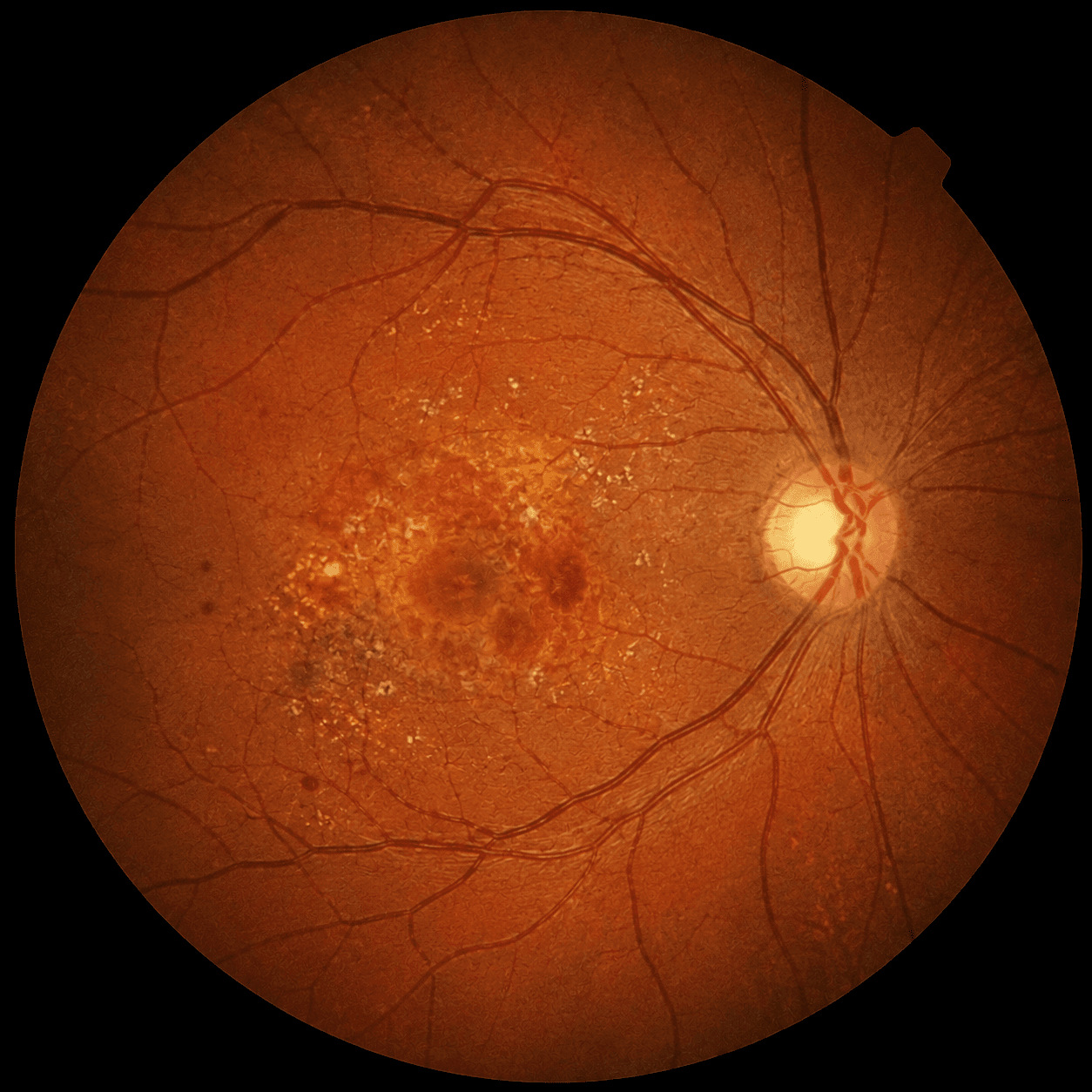
02 · Macular Degeneration
When the center of your vision changes
The macula is the small area at the center of the retina that gives you sharp, detailed vision.
Macular degeneration can damage this area and make it harder to read, recognize faces, or see fine details.
What might you notice?
- • Blurry or missing areas in your central vision
- • Straight lines may look wavy
- • Difficulty reading or recognizing faces
- • Colors may appear less bright
Dry Macular Degeneration
Usually develops gradually. It is the more common form of macular degeneration.
Wet Macular Degeneration
Abnormal blood vessels can leak fluid or blood and cause faster changes in vision.
Can it be treated?
Treatment depends on the type. Wet macular degeneration can often be treated with medicines injected into the eye to stop abnormal blood vessels from leaking.
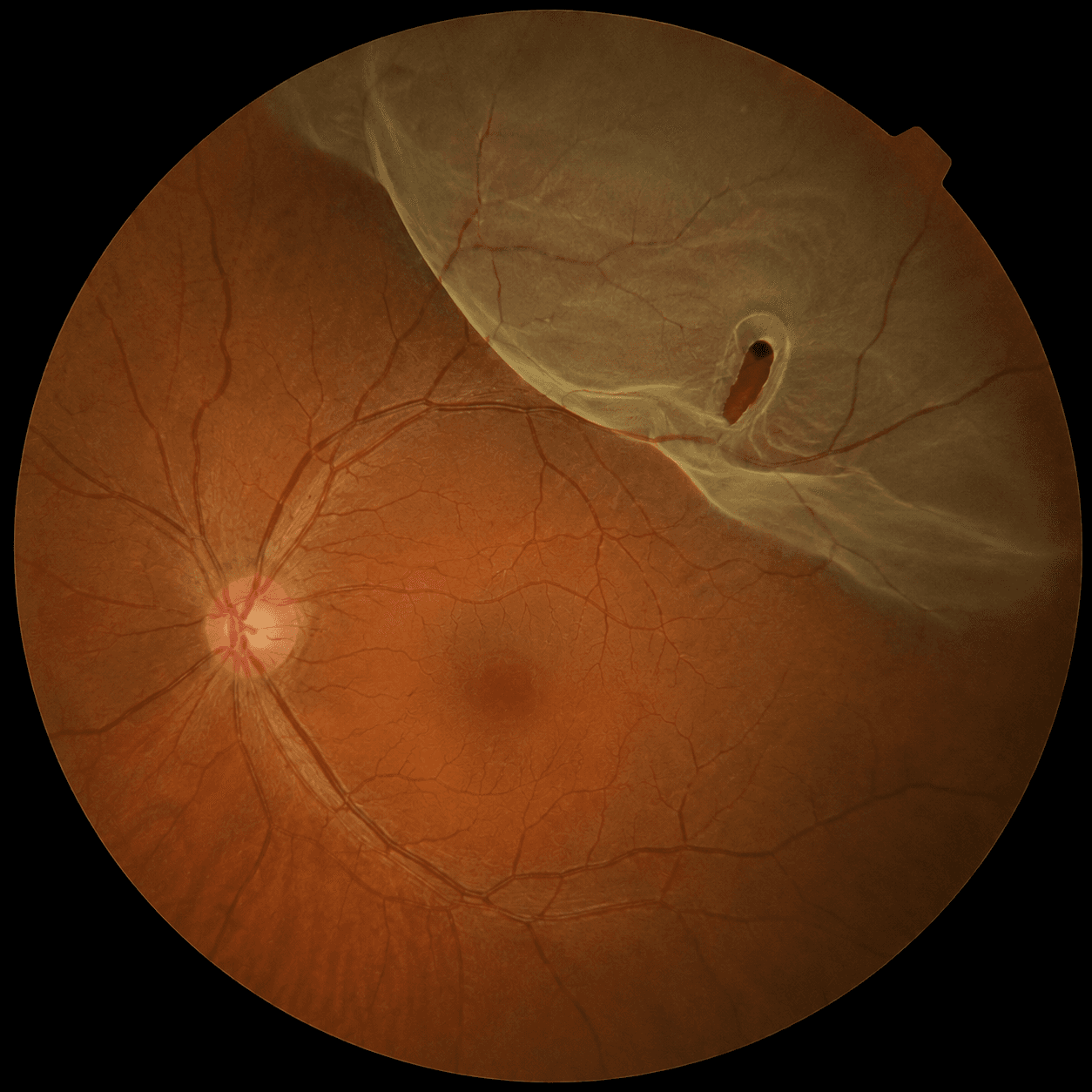
03 · Retinal Detachment
When the retina pulls away
A retinal detachment happens when the retina separates from the back of the eye. Without treatment, it can cause permanent vision loss.
Know the warning signs
Retinal detachment can happen suddenly. If you notice any of these symptoms, seek urgent eye care.
Flashes of light
You may suddenly see flashes, especially in the side of your vision.
New floaters
You may suddenly notice many new spots, dots, or thread-like shapes floating in your vision.
A curtain or shadow
A dark curtain or shadow may appear over part of your vision.
Can it be treated?
Yes. Treatment usually involves surgery to put the retina back in place. The sooner it is treated, the better the chance of protecting vision.
Frequently Asked Questions
Retina Questions, answered.
Simple answers to some of the questions patients commonly ask about retinal health.
A retina specialist diagnoses and treats conditions that affect the retina and the macula, including diabetic retinopathy, macular degeneration, retinal tears, and retinal detachment.
Some retinal conditions can cause permanent vision loss, especially when they are not treated. However, many retinal diseases can be managed or treated, particularly when they are detected early.
Yes. Some retinal conditions, including early diabetic retinopathy, may not cause noticeable symptoms. Regular eye examinations are important, especially if you have diabetes or other risk factors.
Seek urgent eye care if you suddenly develop flashes of light, many new floaters, a curtain or shadow over your vision, or sudden loss of vision. These can be warning signs of a retinal tear or detachment.
Your eye doctor will examine the retina, often after dilating your pupils. Additional tests such as an OCT scan, retinal photography, or ultrasound may be recommended depending on what is found.
Yes. Treatment depends on the condition. Options may include medicines injected into the eye, laser treatment, or surgery. Your treatment will depend on the specific problem and how advanced it is.
Regular eye examinations, good blood sugar and blood pressure control, not smoking, and maintaining a healthy lifestyle can help protect your eyes and reduce the risk of vision loss.
Book a Consultation
Your vision deserves
expert care.
Whether you're considering LASIK, cataract surgery, evaluation for an eye tumor, or a comprehensive eye examination, we're here to help you see your best.